
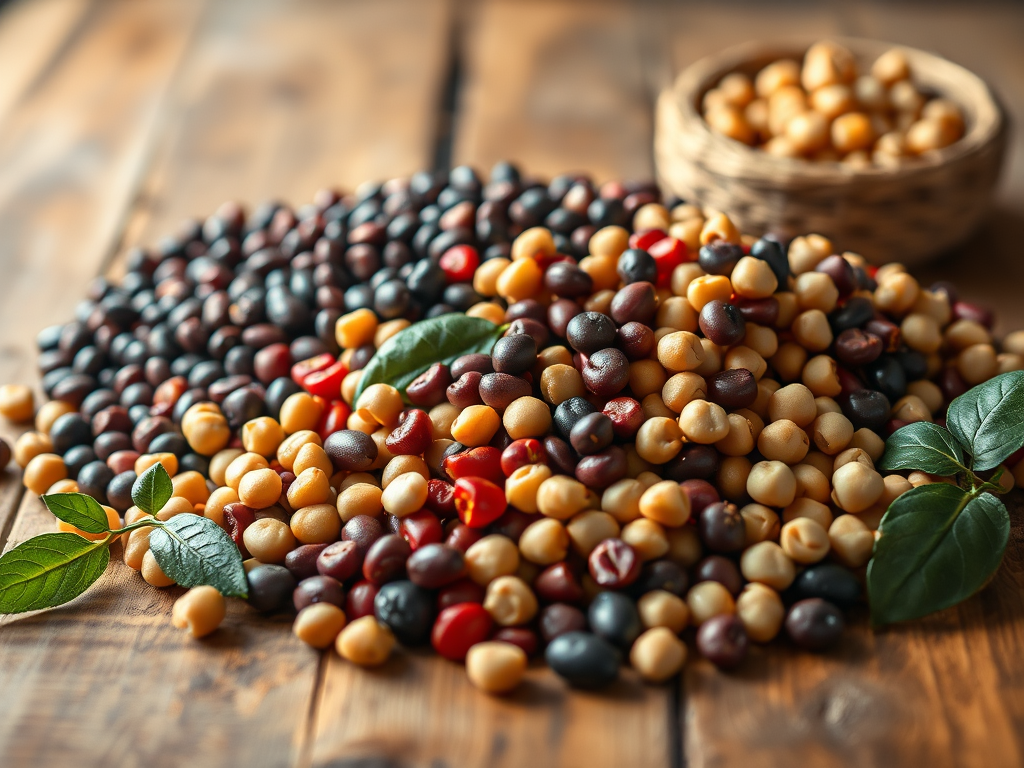
The 2030 Healthy People Plan (Office of Prevention) calls us to increase eating beans! Yet, less than 8% of adults do daily 😳? The American Diabetes Association calls beans a “Superfood”. Let’s explore why….
Many people are surprised to learn just how nutritious legumes are!! They provide fiber, protein, carbohydrate, B vitamins, iron, copper, magnesium, manganese, zinc, and phosphorous. Legumes are naturally low in fat, are practically free of saturated fat, and because they are plant foods, they are cholesterol free as well (Clin).
What are Beans, Legumes, and Pulses?
| Beans | Pulses | Legumes |
| Beans are a type of legume plant seed often used as food. Sometimes you eat the bean pods that contain the seeds, and sometimes just the seeds. Beans come in various sizes, shapes, and colors, and are eaten by various cultures around the world. Beans are good sources of protein, complex carbohydrates, fiber, vitamins, and minerals. They’re low in fat and are considered a healthy food | Pulses are the edible seeds of legume plants. In other words, all pulses are legumes, but not all legumes are considered pulses. They’re generally dried seeds that were harvested from the pods of leguminous plants. Pulses are an excellent source of protein, dietary fiber, complex carbohydrates, vitamins, and minerals. | Legumes are a family of plants that have the ability to fix nitrogen and produce pods with edible seeds. All beans are legumes, but not all legumes are beans. Beans are one category in a broader group of leguminous plants. |
| Common types of Beans: Kidney beans, Black beans Pinto beans, Navy beans, Cannellini beans, Lima beans, Adzuki beans, Fava beans, Cranberry beans, Mung beans. Soybeans (like Tofu) are the best protein option when it comes to the bean family because they’re complete protein sources. This means that it contains all of the nine essential amino acids (histidine, isoleucine, leucine, lysine, methionine, phenylalanine, threonine, tryptophan and valine) that our bodies don’t make on their own. | Common types of Pulses: Chickpeas, Pigeon peas, Moong beans, Urad, Masur, Peas, Kidney beans, Lima beans, Butter beans, and Broad beans | Grain legumes include beans, lentils, lupins, peas, and peanuts. |
** The information above was shared by WebMD
Health Benefits of Legumes
- American Heart Association‘s article titled “The Benefits of Legumes” states plant-based proteins such as beans and other legumes are high in minerals and dietary fiber without the saturated fat and cholesterol in some animal proteins. The American Heart Association recommends beans and other legumes as part of a healthy eating pattern.
- Research Says (Legumes article, Polak)
- Substituting plant-based proteins for red meat can lower blood cholesterol, a risk factor for heart disease. Adding beans and other legumes to your diet may also help you feel full longer because of the high dietary fiber content.
- Regularly eating legumes may help lower total and LDL cholesterol levels
- Legumes are rich in potassium, magnesium, and fiber, all nutrients that have a positive impact on blood pressure management.
- The fiber, protein, and slowly digested carbohydrate found in legumes may aid in satiety for weight management.
- A diet rich in plant-based foods, including legumes, and lower in refined grains, sugar-sweetened beverages, and processed meats has been shown to lower the risk of developing type 2 diabetes and, for those who have diabetes, to improve both glycemic and lipid control
Quick ways to integrate them in your diet
Now full disclosure, walking in the African Heritage Diet these 30 days calls for a daily commitment to legumes. Early on, after having beans multiple days in a row, I mentioned to my co-worker “I think I’m going to turn into a bean?!? 🤦🏾♀️. Day 21 into the African Heritage Diet I’ve definitely noticed beans make me feel fuller longer and my Doctor and I have seen some improvement in BP!! Hi-5!

As I mentioned in a previous post, canned and boxed beans have become my best friend! I found the reference below super helpful in finding easy ways to use them. Here are a few I used:
- Top salads with beans to add protein and texture
- Add cannellini or black beans to pasta dishes
- Mash beans and avocado in a bowl and spread on a whole grain wrap. Add cilantro, or carrot for crunch.
- Makes a great 7-layer dip!
5-min Work Lunch Under $10
Can we give some snaps 🫰🏾 🫰🏾 to the brand A Dozen Cousins! When I haul groceries at Whole Foods without question the Cashier picks up the pack and asks my opinion. When we serve it in the Teaching Kitchen the Members 🖤💛💚 it! These packages portion for 2.
- 1 package of White Bean Chile Verde

2. Ready to Heat Lentils and Brown Rice

3. Artichoke hearts

Heat, stir and mix! I like to pair with a piece of corn bread and some grapes. Yum! 😋.
Journal Werk 🔏
So take out your journal and let’s complete two prompts:
- Beans became super food for me. Do you have a favorite superfood that nourishes your body?
- Do beans connect to your heritage? Lean into that connection in writing
- Can you add one new legume to the grocery list? Canned or Bagged?
- This can take a bit of thinking about your budget and where they are accessible to you?
*** As always, please talk to your Doctor when making significant changes to your diet.
References;
What are the healthiest beans to eat?
Legumes: Health Benefits and Culinary Approaches to Increase Intake
In peace,
J