
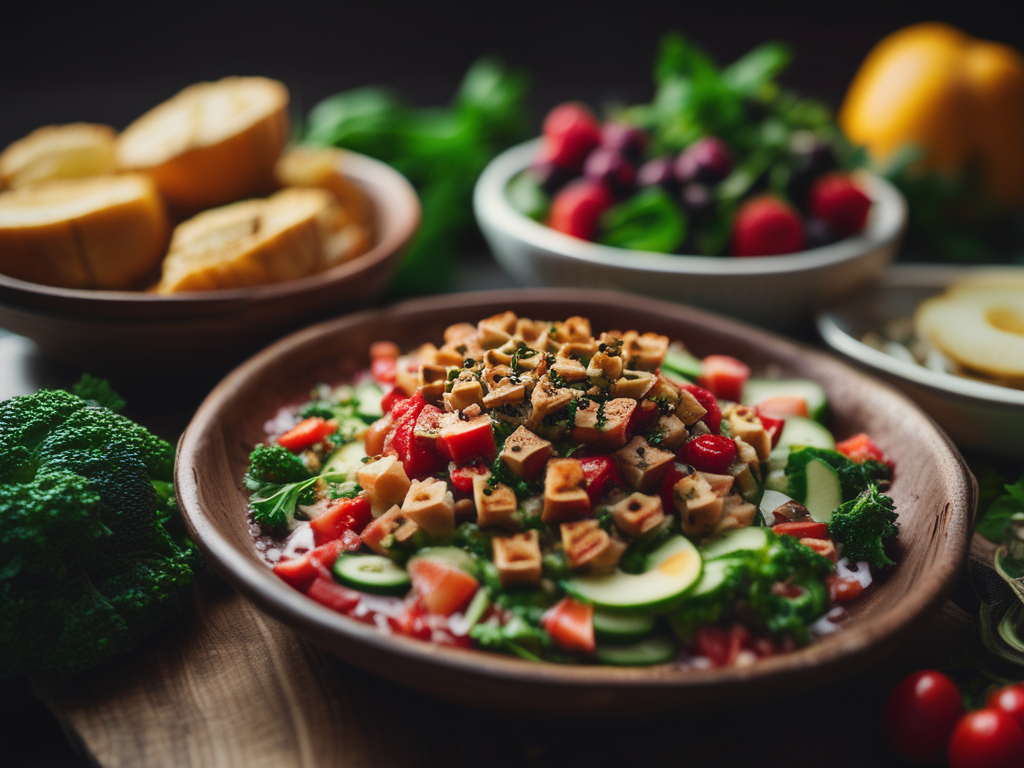
What is this heritage diet you speak of? This question started a 3-month journey into a new world of learning how to connect one’s heritage to a healthy way of eating. After leaving a conference learning about the curriculum my colleague and I were so intrigued we ordered resources while waiting for our flights in the airport! We knew this information would do so much good for the communities we serve.
“Before the rise of 24 hour minimarts, vending machines, and fast food delivery, traditional diets rooted in wholesome, seasonal ingredients nourished families all around the world” Oldways traditional diets
According to Oldways, the African Heritage Diet is a way of eating based on the healthy food traditions of people with African roots. This diet pulls from across the diaspora including the Caribbean to build on heritage.
This healthy way of eating is powerfully nutritious and delicious, and naturally meets the guidelines experts recommend for supporting good health.
Research Says…..
According to News Medical and Life Sciences studies show that adherence to these diets, rich in beans, fruits, and vegetables, correlates with improved health markers like higher high-density lipoprotein cholesterol and lower blood pressure.
Particularly for the African-Heritage diet, African-descendant populations face challenges like systemic racism and socioeconomic inequities, impacting their access to healthy foods and nutritional choices.
Diving into leading a Teaching Kitchen and nutrition access program, I continue to be amazed what I don’t know let alone what we expect the Community to know. Basic choices such as “eat more fruits and veggies” are routine and easy advice. However, connecting a person’s heritage to their choices is a powerful tool in their own self-empowerment.

So, being the true lover of learning I am, I decided to study the African Heritage diet, become certified to teach it, and walk in the diet Myself for 30 days. I can’t ask people of my Community to navigate a life change I am not willing to do Myself.

The Oldways organization has made adopting traditional diets and bringing them to your community easy and supportive. I’m incredibly impressed by the amount of materials, and resources provided. I identify most closely with the African Heritage Diet. Therefore, using their recommended 5 steps to begin was very important:
5 Steps to get Started with the African Heritage Diet
- Boost Flavor With Spice. Curries, peppers, coconut, fresh herbs, garlic, onions, fresh lemon, and all spices are low-sodium ways to add incredible flavors to grains, beans, vegetables, and seafood.
- Try a different herb every week for a touch of African heritage.
- Make Vegetables the Star of Your Plate. Steamed, sautéed, roasted, grilled or raw, enjoy veggies like okra, cabbage, green beans, or eggplant in larger portions than the other parts of your meal.
- If you’re grabbing seconds, go for the veggies!
- Make Rice & Beans Your New Staple. Fiber-filled Rice-and-Beans is a favorite meal all over the world.
- Add African heritage whole grains like millet, sorghum, and teff to your soups, or partner them with peas.
- Lean into Tubers! Bake or boil sweet potatoes, yams and potatoes or mash them with eggplants, beans, grains, onions, and seasonings.
- One-Pot Cooking lets flavors sing together!
- Find Real Foods Everywhere. At a corner store, buy peanuts or fruit; at a lunch buffet, load up your plate with salad, veggies, fruit, and beans.
- Look to African heritage whole foods, in their natural state, to crowd out processed and packaged “convenience foods.”
Judith’s 5 Recommendations to Start:
- When grocery shopping; shop the perimeter first. Most of us tend to spend the most time shopping in the center aisles, when you really should spend the most time shopping in the outside perimeters of the store. This is where you’ll find the freshest foods, including produce, meat and dairy. Check out this grocery store tour with helpful tips.
- Pre-cooked canned or boxed beans have become my best friends.
- For example, Whole Foods offers pre-cooked (and sprouted) beans in a box with no salt added! I simply pop open the box, rinse, and add to a salad, wrap, or mash dip! Easy way to add beans to any meal in their “whole” form.
- Price $1.29
- For example, Whole Foods offers pre-cooked (and sprouted) beans in a box with no salt added! I simply pop open the box, rinse, and add to a salad, wrap, or mash dip! Easy way to add beans to any meal in their “whole” form.

3. If you are early in the journey like me (day 7!) it’s ok to take a shortcut. As I am learning more about tubers, I’m leaning on pre-cut to make life a bit easier. Pop open, season, bake and enjoy!

Check out this post to learn how to make this recipe!
4. Post a copy of the Heritage diet pyramid on your refrigerator. Visual cues can be very powerful. When I’m meal planning, cleaning out the fridge, or tidying up the pantry this cue helps me stay on track

5. Shoot for 5! You see above the bottom row of the pyramid is all green. It can be intimidating to increase your volume by so much. Try going from 1-2 to 4-5 servings of fruit and veggies a day.
Perhaps pre-make a snack box ahead!

According to Harvard, Compared with people who said they ate just two servings of fruits or vegetables each day, people who ate five servings per day had:
- a 13% lower risk of death from any cause
- a 12% lower risk of death from heart disease or stroke
- a 10% lower risk of death from cancer
- a 35% lower risk of death from respiratory disease, such as chronic obstructive pulmonary disease.
Super impressed with Common’s new YouTube channel featuring wellness experts. In this video he showcases the Queen of Green!
And so,..after studying the diet and walking in it, I’ll be teaching my first set of classes!! I’m so thrilled to bring this material to the community.
Nutrition education and access is so critical.
This small part will help us continue to fight chronic disease.
Wish me luck!
P.S- if you want more tips meet me over on Pinterest . Finding healthy items on a budget is a bit of a hobby… 😏
In peace,
J
Always Check with your Doctor before making significant changes to your diet**
References:
Impacts of A Taste of African Heritage: A Culinary Heritage Cooking Course
How many fruits and vegetables do we really need?
Common, Rapper, Actor, and Producer new wellness series.
Wanto to Learn More about the 7 Dimensions of Health?
The 7 Whispers Book is now available for purchase! Be prepared to make this book messy! Seventeen months into my personal wellness journey, a lightbulb hit. The 7 dimensions of health model, is an ongoing journey, not a destination. So, I chose to create the journal I wish I had. Elevating your health helps everyone in your life. This journal is filled with “quick read” nuggets and easy to follow templates that will help you swag and sway between each health dimension attuned to personal harmony.
