
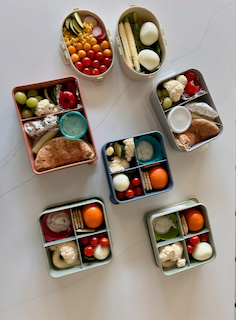
“Eat food as close as possible to how it grows from the ground ” – Quote during the Q&A portion of the Book Signing
This post was inspired by a recent class taught in our Teaching Kitchen and book signing. As I listened to questions being asked, it dawned on me how we develop the way we eat may be generational, learned through social media or taught to us from family and friends. The most helpful way to educate communities in nutrition is to share options. There are so many beautiful ways to feed yourself that still increase nutrient dense foods and vitamins. Over the last couple years I’ve found my path through studying and trying various eating models. I encourage you to find your path as well. Try a few out, it can be fun!
What is the SAD Diet?
The Standard American Diet is a modern dietary pattern characterized by high intakes of pre-packaged foods, refined grains, red meat, processed meat, high-sugar drinks, candy, sweets, fried foods, high-fat dairy products, and high-fructose products.
What Are Whole Foods?
According to NYC Health whole foods are foods that are minimally processed or unprocessed, and are close to their natural state. They are rich in fiber, vitamins, minerals, and antioxidants, and low in saturated fat and sodium.
- Fruits and vegetables: Fresh, frozen, or canned fruits and vegetables like apples, bananas, avocados, berries, carrots, zucchini, and sweet potatoes
- Whole grains: Brown rice, oatmeal, barley, quinoa, and millet
- Nuts and seeds: Peanuts, other nuts, and seeds
- Beans and legumes: Peas, lentils, and dried beans
- Dairy: Milk, regular cheese, and yogurt
- Unprocessed meats and fish: Fish and shellfish
What is an Eating Model?
Often called a “diet”, it’s actually a mindset or framework used for feeding yourself and sometimes by default your family. Example eating models include:
- Low calories
- No Carbs
- DASH
- Volumetrics
- Mediterranean
- Vegetarian
Are there Other Eating Models to Choose From?

- Flexitarian
- This eating model has gained traction in recent years. A flexitarian is someone who eats a semi-vegetarian diet, meaning they eat mostly plant-based foods but sometimes eat meat or fish. This is the model I try to practice and help increase my vegetable consumption.
- Mediterranean Diet
- The Mediterranean Diet reflects a way of eating that is traditional to the countries surrounding the Mediterranean. Key elements include an abundance of vegetables and fruits, herbs, seafood, olive oil, beans, and whole grains.
- Pescatarian Diet
- The term pescatarian (coined by combining pesce (Italian for fish) and vegetarian is a clue: it’s a vegetarian diet that also includes seafood
- Asian Heritage Diet
- Traditional Asian diets are as varied as the Asian continent is large. Although each country and region has distinct flavors and cooking styles, there are many unifying characteristics: plenty of vegetables, strong spices, rice and noodles, seafood, and soy products.
- DASH–
- DASH (Dietary Approaches to Stop Hypertension) is a flexible and balanced eating plan that helps create a heart-healthy eating style for life. It was named “Best Heart-Healthy Diet” and “Best Diet for High Blood Pressure” by U.S. News & World Report in 2025.
- Latin Heritage Diet
- This eating pattern has traditionally existed in the parts of Latin America where maize (corn), potatoes, peanuts, and beans are grown. Fresh fruits and vegetables are heavily featured, as are peppers, squash, seafood, rice, and beans
- African Heritage Diet
- This way of eating is based on the healthy culinary traditions of the African Diaspora: Africa, the Caribbean, parts of South America, and the American South. Unifying characteristics include lots of vegetables (especially leafy greens), fresh fruits, roots and tubers, nuts and peanuts, beans, and staple whole grain foods.
- Below is a post I wrote in 2024 describing my own experience with this diet and the permanent changes I made after adopting it for 30 days. (Spoiler alert… I now love eating beans!!)

Go ahead, try a few out and see which one makes your body feel great. I promise you, if you listen your body will tell you which one is right for you.
In peace,
J
Resources:
Want More Content?
The 7 Whispers Book is now available for purchase! Be prepared to make this book messy! Seventeen months into my personal wellness journey, a lightbulb hit. The 7 dimensions of health model, is an ongoing journey, not a destination. So, I chose to create the journal I wish I had. Elevating your health helps everyone in your life. This journal is filled with “quick read” nuggets and easy to follow templates that will help you swag and sway between each health dimension attuned to personal harmony.
