
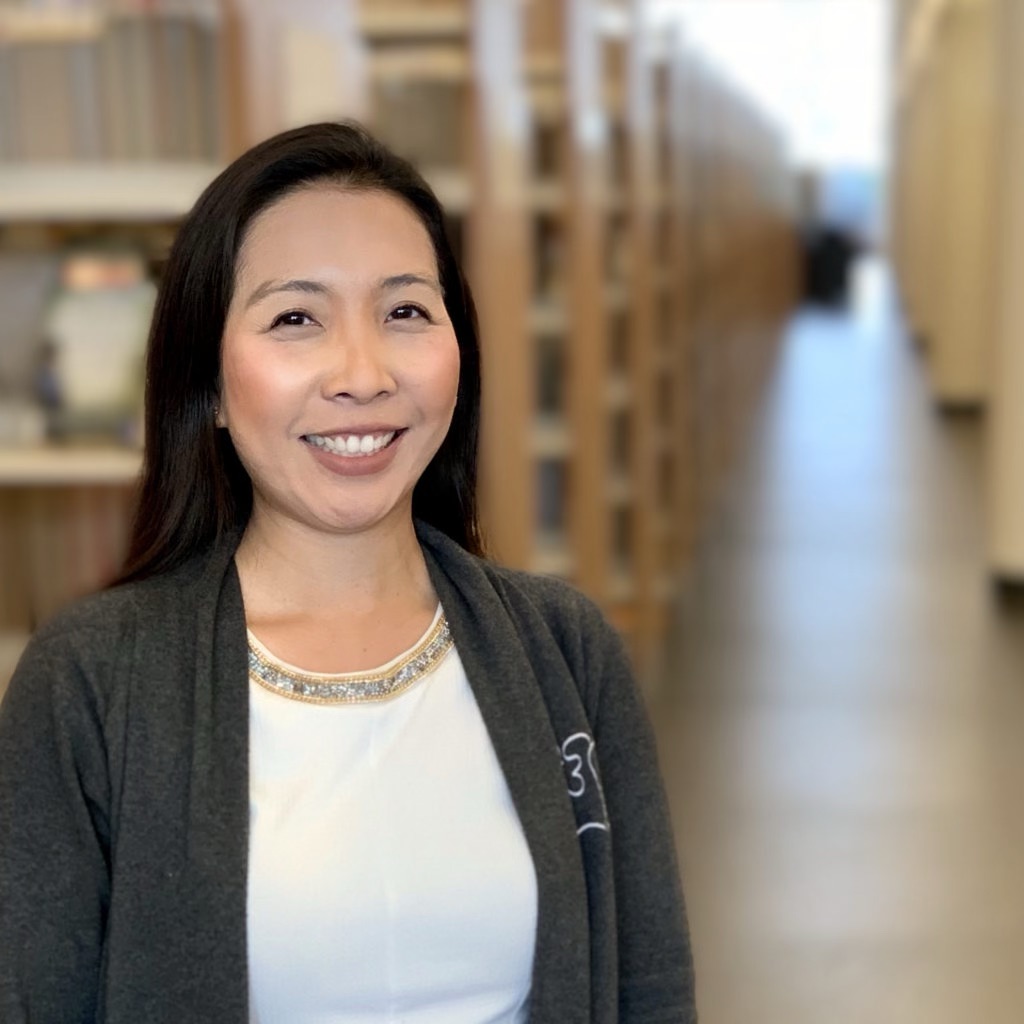

I truly believe people arrive in your life for a reason, a season, or a purpose. This defines my friendship with Joyce. We first met when I was a parent patron, frustrated with the lack of diverse activity offerings at my local library for children in our neighborhood. She was the Library Children’s Services Assistant Manger at the time.
Joyce listened to our concerns and acted. After that meeting, we became instant friends. Over the last 7 years we’ve toiled in multiple communities believing all children deserve access to mirrors, windows, and doors.

“A book can be a window to another experience, a sliding door to enter into the story, or a mirror relating to you and your experience“
Dr. Rudine Sims-Bishop
Building The Third Institute; a non-profit dedicated to gilding confidence in children, has been the ride of a lifetime. As a 4-woman Board, we’ve donated countless diverse children’s books to libraries, juvenile detention centers, households, and shelters. With her help, my Son has taught over 300 children in person and 10,000+ views on his classes online. We’ve trained other children to use their voice telling stories of Heroes and Sheroes to their hearts desires. Using the voice of the children’s work, we even created Roots! An explorative book of Heroes and Sheroes in history.

When I think about all we’ve accomplished together,
“I can only define our friendship as symmetrical. Our beliefs in investing in children bonded us.”
Our deep ❤️ of books, well that’s where this conversation became fun!!
Ms. Joyce Arellano is the Manager of Children’s Services at Fountaindale Public Library. As a Mom, Board Member and active community member she stays vigilant as a keeper of the front lines. The role of Librarian has drastically changed over the last 10 years, and I’ve personally watched Joyce change lives through her work. I’m so lucky to call her Friend.
**Key note: many of the book pictures in this post are recommendations from the author. A fun way to read the article and get a few for book recommendations 😉.

Take what’s meant for you, leave what’s meant for someone else.
At Whispers we believe Intellectual wellness encourages creative, stimulating mental activities. Our minds need to be continually inspired and exercised just as our bodies do.
At Whispers we use this tool to do a quarterly reflection on our wellness. We know being perfect in all 7 dimensions won’t happen, but rather being intentional in what dimension we want to focus on in what season is a healing-focused soft approach.

Me: Any reflections on the Whisper template?
Joyce– Love the tool! I for sure saw some areas I want to improve for Myself. I’m very passionate about work and career and knew it would be a high rank.
In reflecting, sometimes work takes a toll on Me emotionally and not in good balance. I’m still in the process of really reflecting to find a better balance and seeing every dimension in their own categories. I need to reflect a bit more how to raise emotional rank. It’s such a challenge to prioritize self and how to say no “I’m going to use this time for me.”

Me: Does the Whispers Intellectual Wellness definition resonate with you?
Joyce: 100% this definition resonated with Me. I want folks to know it’s not about how high your IQ is, or how many trivia questions you get right.
“It’s about staying curious, developing a love of learning and being creative”.
I don’t think a lot of people realize being creative is a source of intellectual wellness. Learning to cook, writing, reading, making something. It’s not about how smart you are, it’s really about learning and having that growth mindset and being curious.
In our Family, we prioritize experiences over things. A few example are;
- Take a weekend trip
- Go for a walk down one of the trails in forest preserve
- As a family we like to spend money on experiences
- Go to a festival and hang out
We make sure our daughter has what she needs; and we create experiences and memories. This strengthens our relationship as a family. I hope my daughter grows up with wonderful memories and goes out in the world as an well-rounded adult.
Me: When the pandemic hit, Public Libraries became “neccesary and front line”. How do you pour into yourself so you can pour out every day to patrons?◦ What was that like in the pandemic? What lessons did you learn?
Joyce: When we had to shut down we still connected with patrons. Especially patrons that visited us on a daily or weekly basis. They were struggling with the shutdown as the library was part of their life. Even an email to them to say hi went a long way for these individuals. We did our best to stay connected.
Knowing our community so well really helped us. We have such a good relationship with folks that come in. We knew exactly what they needed.
When we regrouped at home, we found ways to bring programming to the community virtually like a lot of other libraries. YouTube, blogging, email with folks that were emailing with us.
I remember sending email lists of all the same things we would’ve’ told them in person at the desk. When we finally reopened with limited access limiting the community was so relieved.
Me: I remember the first time my Son and I could go through the Library drive-thru we were so happy!!!
We packed kits and gave them away. Our close relationship with the community is very rare for a library. It’s typically very transactional, relationship. We are very proud of our library and culture driving in department. When the George Floyd murder happened, we saw a polarization occur. Me and my staff were there to listen and to be open to to the community’s feelings. We’ve heard Patrons say “you guys handled it so much better than others”. “You are so much nicer and much more relatable”. I’m really proud and want the team to continue that vibe of connecting and not just be transactional.
Me: As a Librarian, (by the way a job I would totally have if I wasn’t in healthcare 🙂 books I think is a big part of your vocation?How do you encourage reading among your patrons?
Joyce: My personal Shero Dr. Rudine Sims-Bishop. She is Professor emeritus at The Ohio University; and she is a legend in the library world.
Dr. Bishop wrote an essay in the early 90s where she describes books as mirrors, windows, and sliding glass doors. She states “books help us understand each other by understanding our differences”.
- When a book is a mirror the reader can see themself in the story
- A window the reader can look into the character and learn about their experience
- Sliding glass door they can enter the world and experience themself
I share this concept when selecting books and grownups are always fascinated. When we share this with kids at times they don’t get it, so we give them examples. We tell them this kid similar to you loves baseball and has a family. I love seeing it with the kids get it and hit that “moment of discovery”. She’s just like me and lnever thought of it that way. Some grown ups will say “we read a lot of windows what do you recommend as a mirror”.
I’ve also used this concept as a tool for my team too. There was a staff member recommending, Junie b jones, a white character that is awesome and she reads it all the time. However, you can see on the child’s face she shrugged and was not connecting with it. …. I then found a book series with the main character is a black girl that travels and has mysteries. When I gave it to the child (who was also black) she immediately wanted to read that book.
Representation matters!! Sometimes we have to let go of books we always recommend and meet the children where they are.
Me: In the beginning of 2024, I wrote a post on being more mindful when crafting my TBR. In the reading world, the TBR is highly talked about lol. How do you craft your TBR?
Joyce: A few simple steps:
1. First get a lot of recommendations from people in life like you! 😅

Kids that come in and tell me a book they love, and are energetic and passionate about. For my vocation I read a lot of kids book and teen books. If those kids come back I want to connect with them, so I try to read those first.
2. In libraries I have access to professional magazines that recommend of book winners and other general good reads for our circulation. The School library journal has a lot of reviews for kids and teen books
3. I track with Goodreads adding everything to library card account.
Me: What’s your favorite genre’s?
Joyce:
Children’s fiction
Biographies! I love learning someone else’s story

Memoirs

I love reading stories when someone is telling about their experience and life.
Me: Several studies have provided evidence that greater levels of Cognitive stimulating activities (CSA) during adulthood, such as reading books and newspapers, playing games and puzzles, or visiting museums, are associated with better cognitive performance across multiple domains. As well as significantly reduced risk of Alzheimer’s disease, dementia, and mild cognitive impairment, and lesser decline in cognitive function over time. Do you see this in real life at all?
Joyce: 100% agree reading is a is a stimulating activity and can benefit everyone..
However, Everyone is not a reader and what’s really imporatnatn for older adults you can still use your local library in ways to stimulate activities:
- Take a class, attend a lecture, genealogy lectures and presentations
- Libraries lend out tools, library of things, speed libraries take a packet of seeds and grow your gardening.
- Has the records you can check out too
- Libraries have evolved so much books, magazines, maker equipment, 3D printing
- I see a couple of seniors that will use the studio to 3D print. SO fascinated how well they can make items so well.
Even if reading is not your thing visit your library!
Me: A practice of both intellectual wellness and citizenship is exposing yourself to new ideas, views, and opinions. What methods do you use to keep yourself fresh in this area?
In addition to journals and reading, once in a while I will find a good podcast to listen to. Right now I’m focused on locally delivered podcasts. Recently I finished a podcast on the science of reading. (Sold a Story) It was very eye opening.
Me: Librarians over the last decade have become so much more than managing books, you are on the front lines of every type of human kind that uses the library. How do you manage “patrol-relations”, the good, the bad, and the ugly?
Joyce: This question brought up a lot of interesting memories.
“Experience has taught me to be an active listener and listen without judgment“
Patrons have felt better after actively listening to their concerns. In customer service, I try to get to yes and find a common ground. Lastly, I try to not take things personally.
Me: How do you manage peace-disrupters?
Joyce:
- Take a walk outside will tell staff take a few minutes.
- I enjoy a beautiful view that’s quiet and peaceful.
- I try to find a way to reset and that definitely helps. Move on with life..
Me: Of course, I must end with this really important question, what’s left on your TBR?!?!?!
Joyce: Long Way Down by Jason Reynolds, moved to top of TBR.

Me: Please finish this sentence… I want every woman to give themself radical permission to?
Joyce: To stay curious, learn for life and read freely………
Stay curious my friends! 🎨
References:
https://www.sciencedirect.com/science/article/abs/pii/S0197458024000459